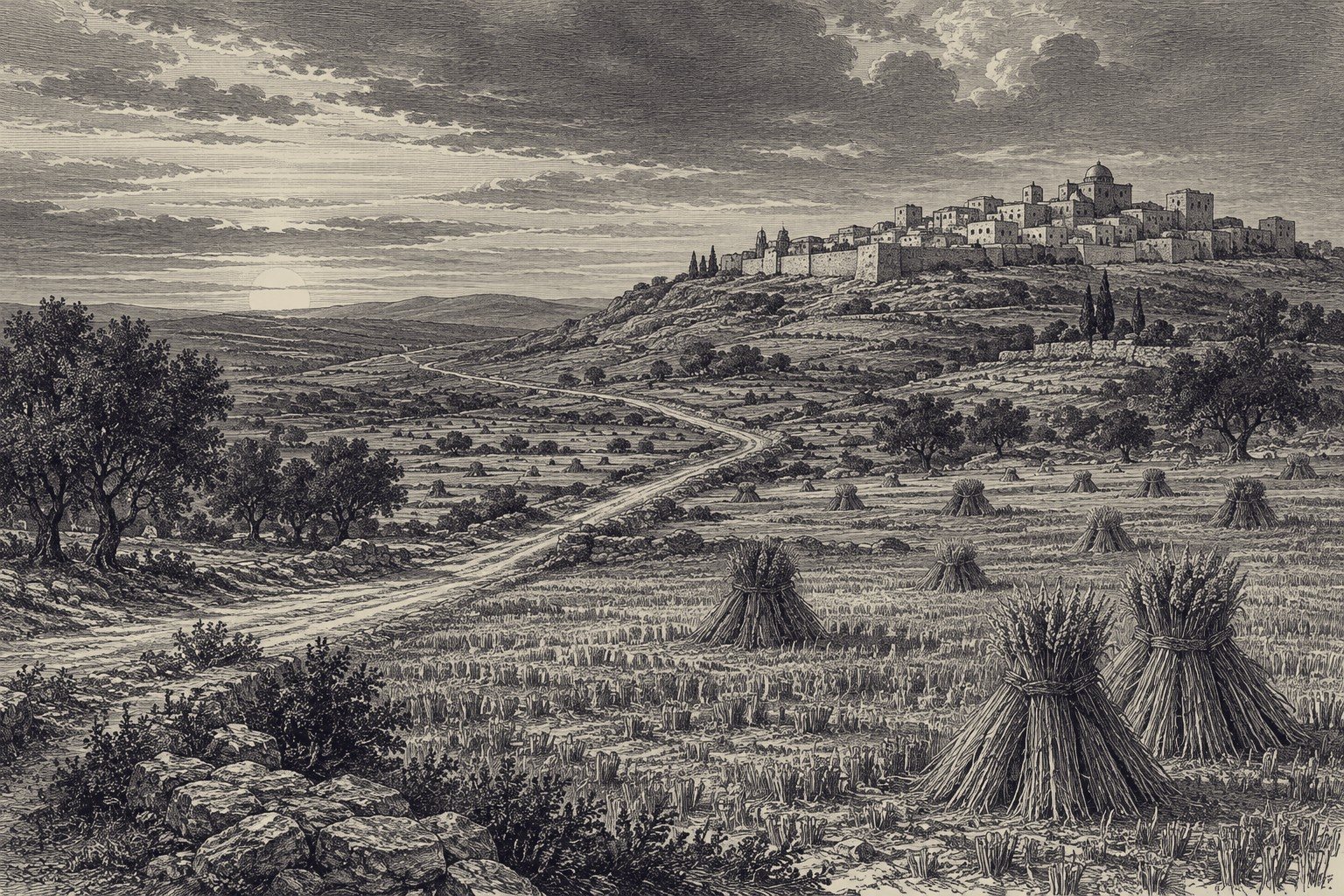
Douay form Ruth · Old Testament · 85 verses
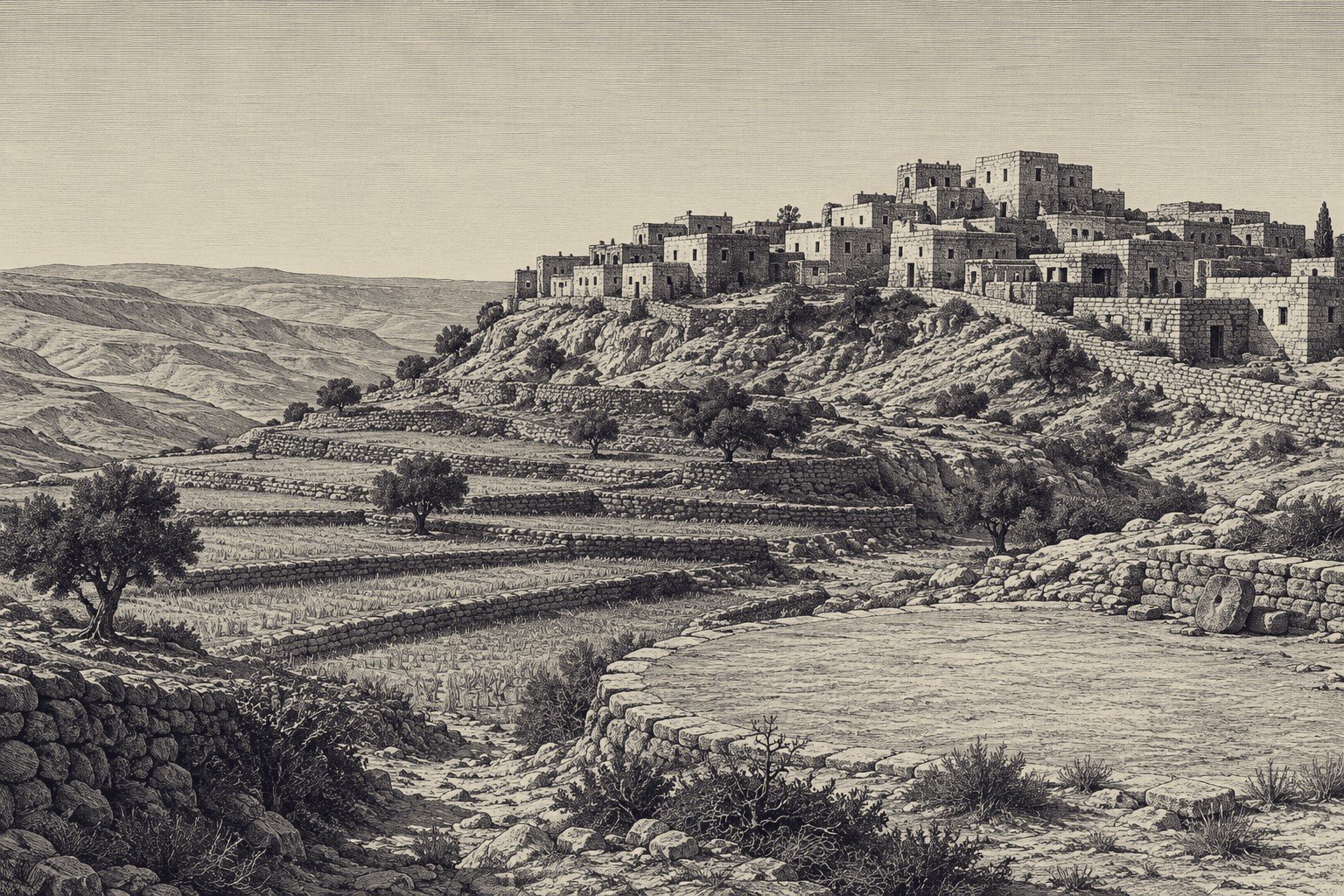
A famine, a widow who comes home with nothing, and a daughter in law from Moab who will not leave her: Ruth gleans in the field of Booz, lies at his feet on the threshingfloor, and is married at the gate before ten ancients and a shoe. The book that ends with the name of David, read complete in the Douay-Rheims, with the Latin Vulgate and the Spanish of Scío as further audio tracks to come, and Challoner’s notes in the margin.
Audio in three languages, soon
- English — Douay-Rheims · Ruth · Challoner’s revision, 1749–1752 · the video’s own audio
- Latin — Clementine Vulgate · Rome, 1592 · recorded; coming to YouTube as an audio track
- Spanish — Felipe Scío de San Miguel · Valencia, 1790–93 · recorded; coming to YouTube as an audio track
The Latin and Spanish readings are finished and will be added to the video as audio tracks, with captions in all three languages, once YouTube allows it on this channel.
“The Book of Ruth”, The Holy Bible, Douay-Rheims version, as revised by Bishop Richard Challoner, 1749–1752, with his notes (text from Project Gutenberg #1581). The second audio track reads the Clementine Vulgate (Sixto-Clementine, Rome, 1592) from the Latin printed in the Douay-Rheims and Latin Vulgate parallel at drbo.org, checked word for word against the eBible Clementine text (two misprints at drbo.org corrected to it). The third audio track reads the Spanish of Felipe Scío de San Miguel’s La Biblia Vulgata Latina traducida en español (Valencia, 1790–1793), from the Madrid printing of 1854, with the spelling modernised. Public domain.
The whole book, all four chapters and eighty-five verses, in Challoner’s Douay-Rheims. Two more audio tracks will follow on YouTube, reading the Latin of the Clementine Vulgate and the Spanish of Scío de San Miguel. Captions in all three languages come with them.
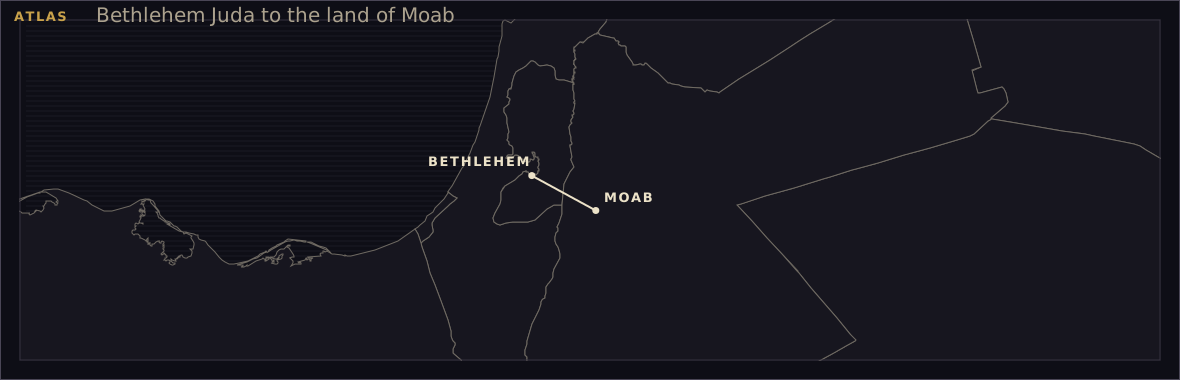
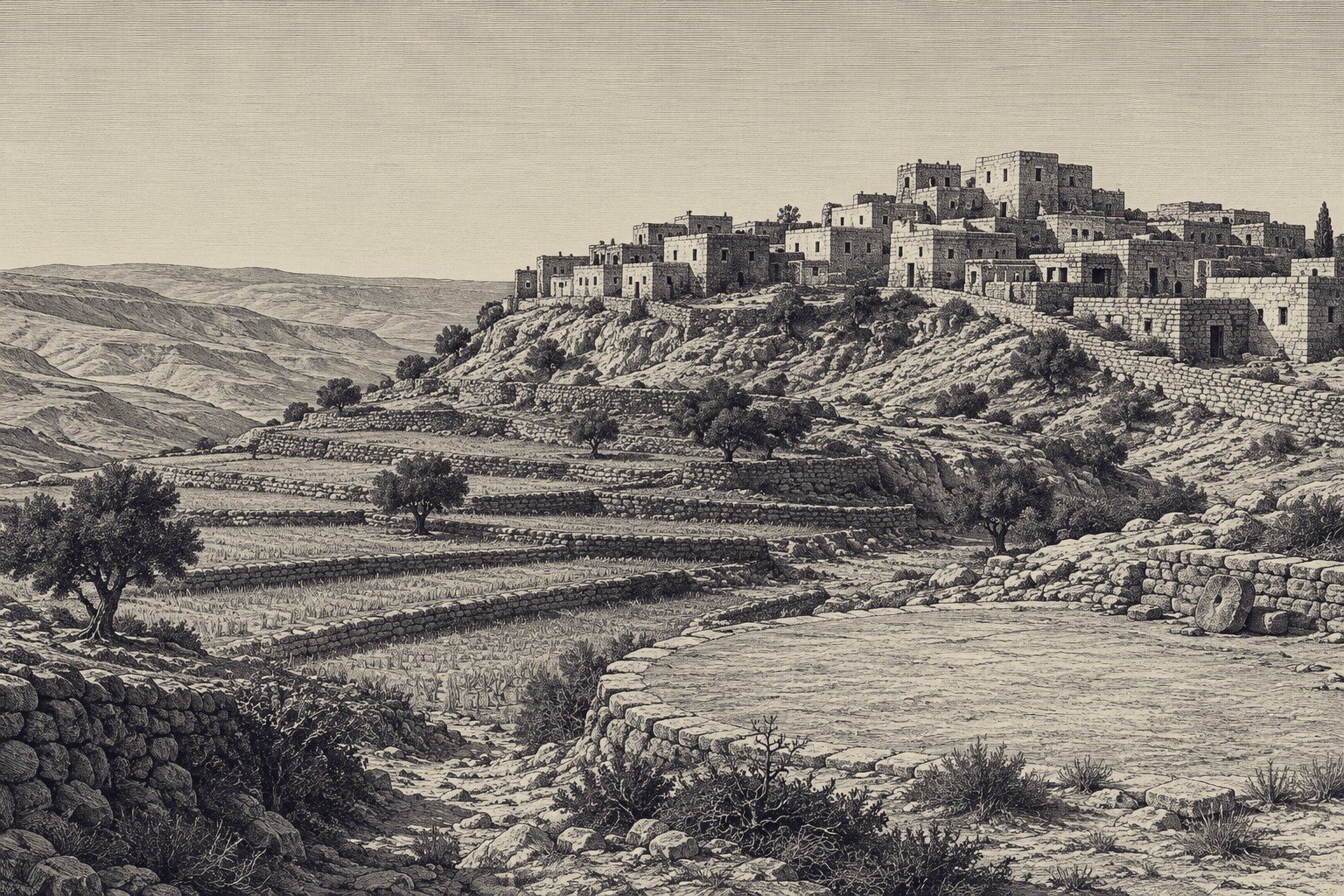
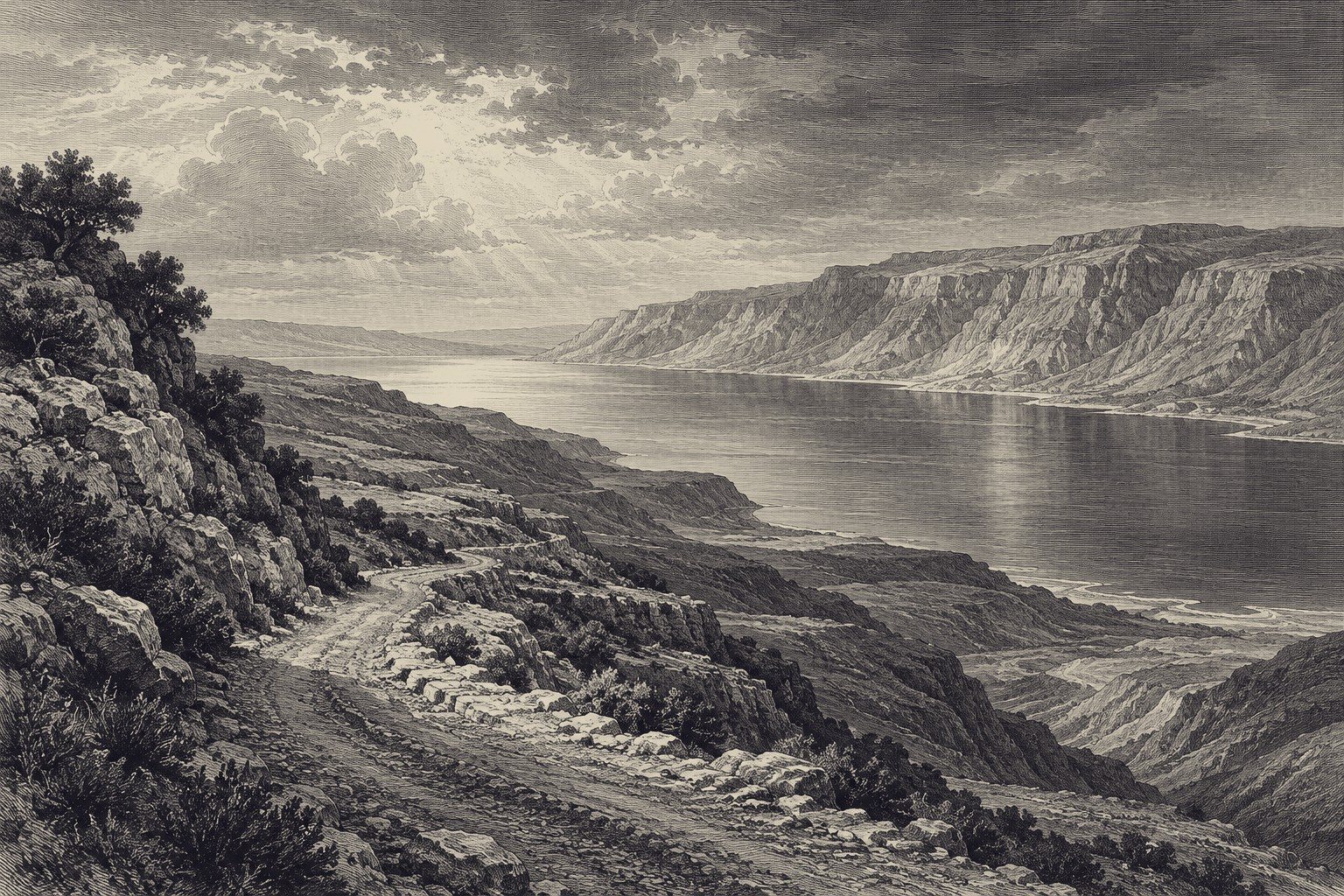
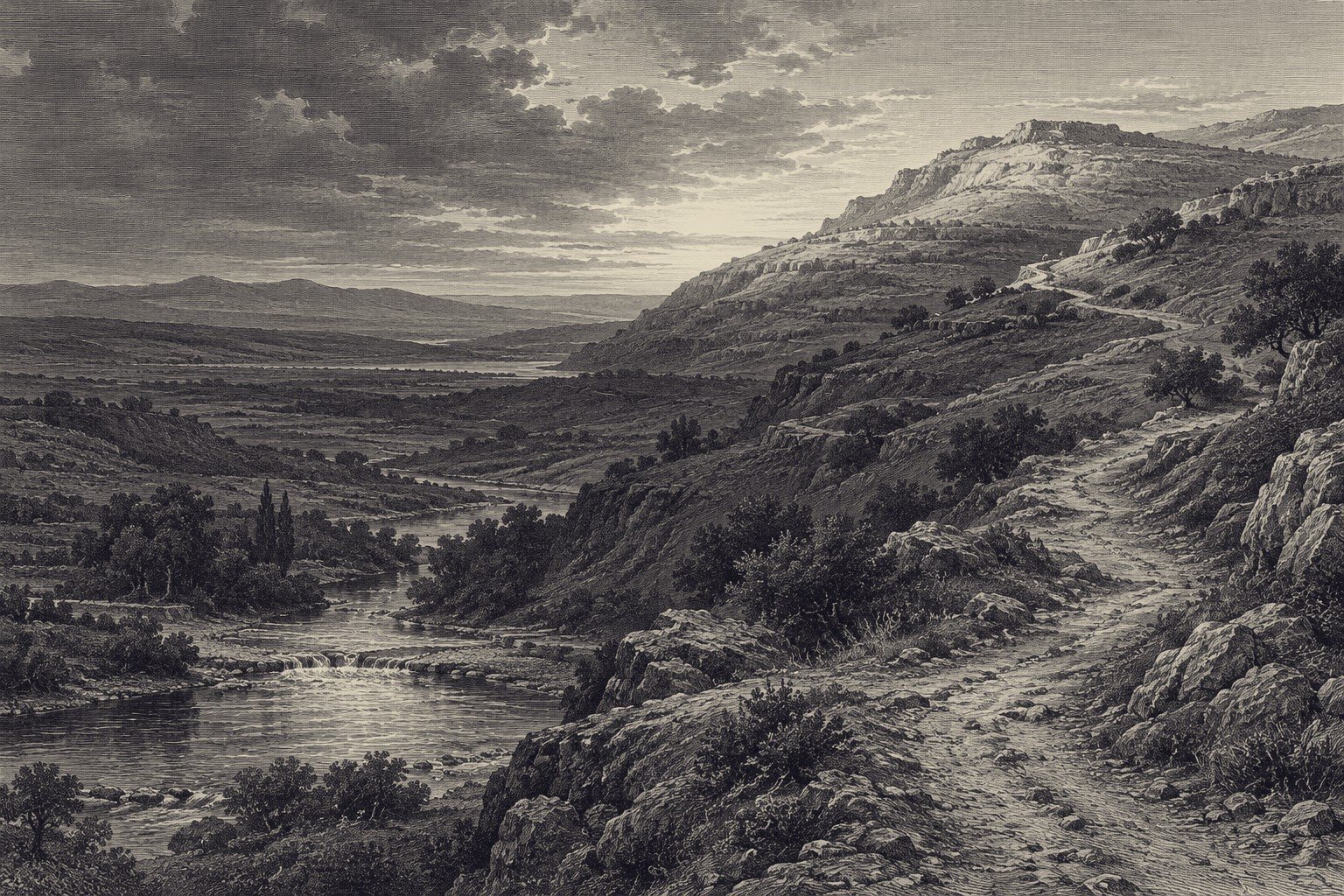
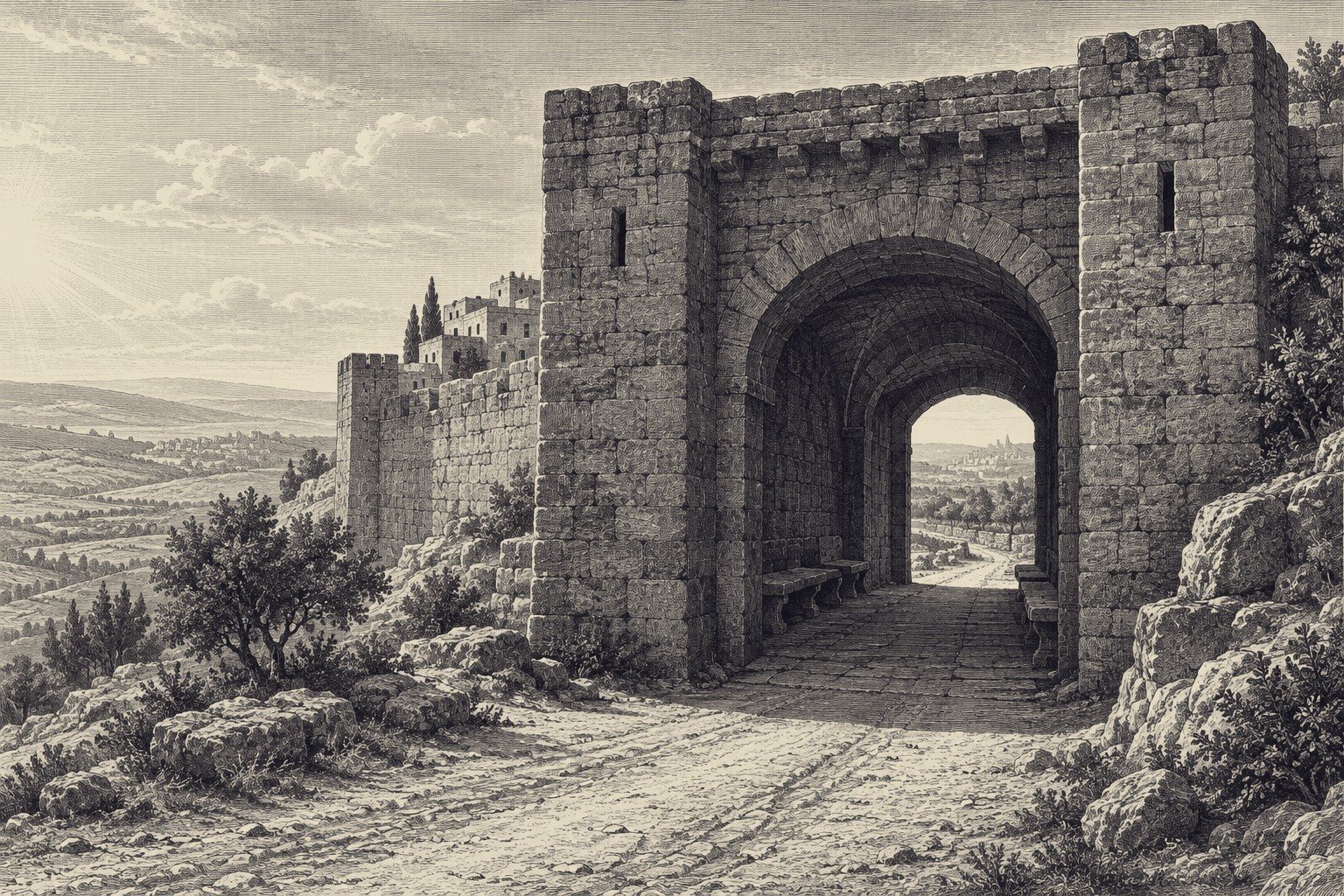
Bethlehem Juda to the land of Moab — Bethlehem · Moab · at 0:20

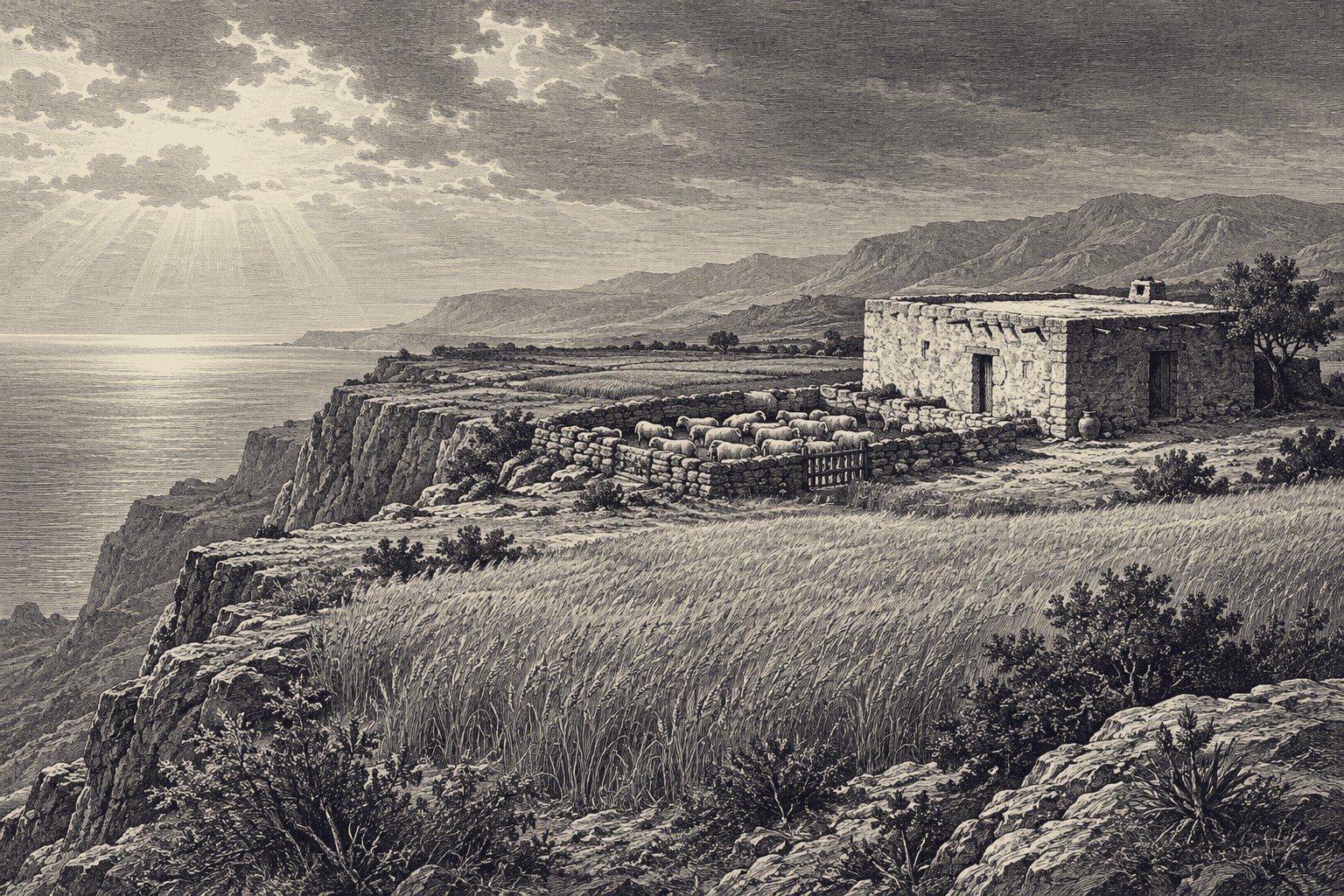
The return · in the beginning of the barley harvest — Moab · Bethlehem · at 1:25
- Ruth0:06
“…who, being a Gentile, became a convert to the true faith, and marrying Booz, the great-grandfather of David, was one of those from whom Christ sprung according to the flesh… It is thought this book was written by the prophet Samuel.” Challoner’s introduction, 1749–52.
- Ephrathites0:34
Of Ephrata, the older name of Bethlehem: ‘Rachel died, and was buried in the highway that leadeth to Ephrata, this is Bethlehem’ (Genesis 35:19). Challoner notes the same name at 4:11.
- Moab0:54
The high country east of the Dead Sea. Genesis 19:37 derives the Moabites from Lot: ‘the elder bore a son, and she called his name Moab: he is the father of the Moabites unto this day’.
- The names1:20
Douay forms, with the Hebrew: Noemi (Naomi), Orpha (Orpah), Mahalon and Chelion (Mahlon and Chilion), Booz (Boaz), Isai (Jesse). Ruth and Obed are the same in both.
- To her gods3:03
“Noemi did not mean to persuade Ruth to return to the false gods she had formerly worshipped: but by this manner of speech, insinuated to her, that if she would go with her, she must renounce her false gods and return to the Lord the God of Israel.” Challoner’s note.
- The Lord do so and so3:32
“A form of swearing usual in the history of the Old Testament, by which the person wished such and such evils to fall upon them, if they did not do what they said.” Challoner’s note on this verse.
- Noemi · Mara4:09
The text glosses its own names: Noemi, ‘beautiful’, Hebrew no‘omi, pleasantness; Mara, ‘bitter’. The glosses in parentheses are printed in the Douay as part of the verse.
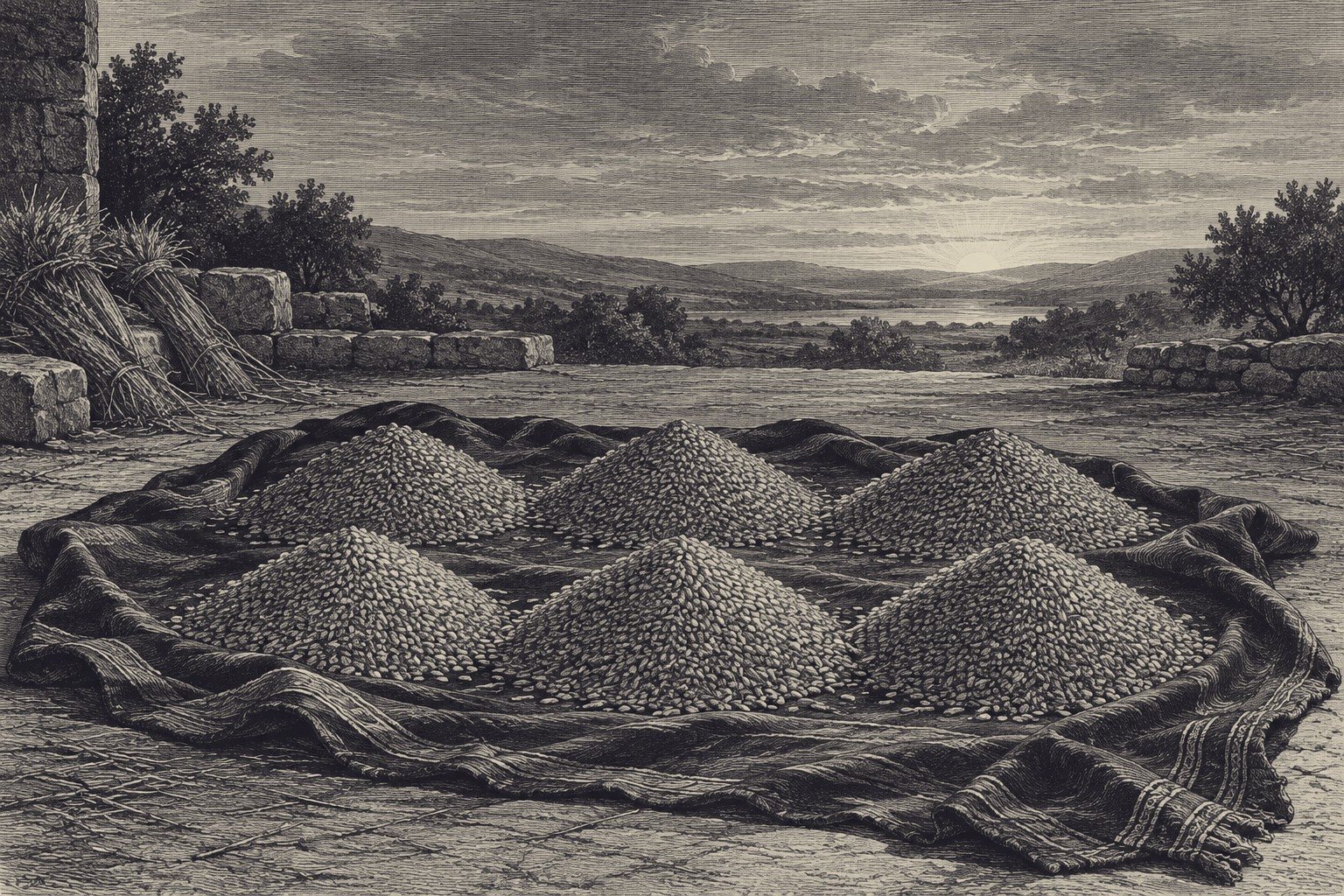
- The barley harvest4:38
Barley ripens first in Judea, in April; the wheat follows in May and June. The book’s action runs from the one harvest’s beginning to the end of the other (2:23).
- Gleaning4:59
The law of the harvest: ‘When thou reapest the corn of thy land, thou shalt not cut down all that is on the face of the earth to the very ground: nor shalt thou gather the ears that remain’ (Leviticus 19:9); they are left for the poor and the strangers (19:10).
- Vinegar · frumenty7:40
Sour wine, the drink of harvesters. Frumenty here renders the Hebrew word for parched grain: roasted ears of the new barley.
- An ephi8:27
The ephah, a dry measure of about 22 litres. ‘That is, three bushels’ is the Douay’s own gloss, printed in the verse.
- Winnowing10:11
Threshed grain tossed into the evening wind on the open floor, so that the chaff blows off and the grain falls; the owner commonly slept by the heap to guard it.
- Thy latter kindness11:37
“To thy husband deceased in seeking to keep up his name and family by marrying his relation according to the law, and not following after young men. For Booz, it seems, was then in years.” Challoner’s note.
- The right of kindred12:10
Deuteronomy 25:5: ‘When brethren dwell together, and one of them dieth without children, the wife of the deceased shall not marry to another: but his brother shall take her, and raise up seed for his brother.’ The Hebrew calls the kinsman who redeems the go’el.
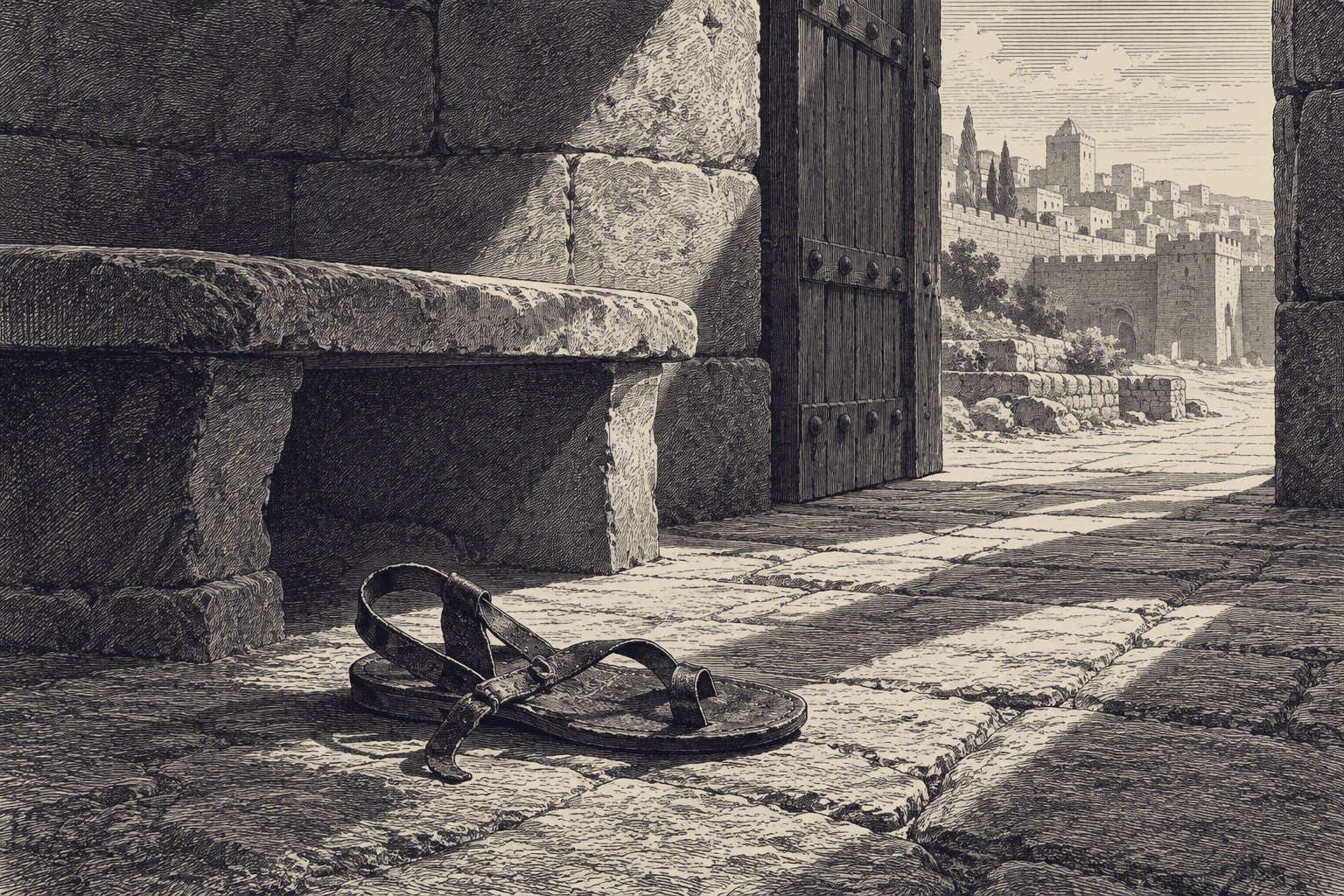
- The shoe15:26
Deuteronomy 25:7–10 has the widow take the shoe from the brother who refuses her, and his house is called ‘the house of the unshod’. Here, the text says, the custom is a cession of right between kinsmen, and the kinsman takes it off himself.
- Ephrata16:23
“Another name of Bethlehem.” Challoner’s note on this verse.
- Rachel and Lia16:43
The two wives of Jacob (Genesis 29), mothers with their handmaids of the twelve tribes. Phares, the son of Thamar and Juda (Genesis 38), heads the line the book’s last verses count down to David.
- David17:45
The book ends on the name of David. Matthew 1:5 carries the same line on: ‘And Salmon begot Booz of Rahab. And Booz begot Obed of Ruth. And Obed begot Jesse.’